Computer Keyboards: The Complete Buying Guide
The best keyboard for a computer is the one that fits your layout, connection, and daily use. A full-size wired model is a simple starting point, while wireless, compact, ergonomic, and gaming keyboards suit more specific needs.
On this page (10 sections)
- What is the best keyboard for computer use?
- Which keyboard layout should you choose?
- Should you choose a wired or wireless keyboard?
- How much desk space does your keyboard need?
- Which keyboard features are worth paying for?
- Which keyboard suits a laptop, Mac, tablet, or TV?
- How should you choose a keyboard for gaming?
- What should you check before buying?
- Explore keyboards and mice by topic
- Which computer keyboard should you choose?
The best keyboard for a computer depends on how you work, which layout you need, and how you want to connect. A full-size wired keyboard is a dependable starting point for desk use; wireless, compact, ergonomic, and gaming models fit more particular needs.
Start with the keys you use each day. Then check the connection, available desk space, and compatibility with your computer before choosing a feature set.
This guide covers keyboard types, layouts, connections, comfort, and useful extras. For a closer look at typing-focused choices, see our best keyboard for typing guide.
What is the best keyboard for computer use?
The best computer keyboard is one that matches your everyday tasks without adding features you do not need. Office work often calls for a familiar layout and number pad, while a living-room PC may work better with wireless control and a touchpad.
There is no single best rated computer keyboard for every person. A quiet full-size model can suit shared rooms, a compact board can leave room for a mouse, and a gaming keyboard may offer controls designed around play.
| Your main need | Start with | Check before choosing |
|---|---|---|
| General desk work | Full-size keyboard | Number pad, connection, and operating system |
| Frequent number entry | Full-size layout | Number pad placement and desk width |
| Less cable clutter | Wireless keyboard | Receiver or Bluetooth support and battery needs |
| Small desk or travel | Compact keyboard | Which keys are moved, combined, or removed |
| PC connected to a TV | Wireless keyboard with touchpad | Wireless range, compatibility, and touchpad size |
| Gaming | Gaming keyboard | Layout, controls, lighting, and wired or wireless connection |
| More computer ports | Keyboard with built-in hub, or a separate hub | Port type, speed, and whether charging is supported |
A good first choice for a standard desk is a full-size USB keyboard. The Logitech K120 has deep-profile keys, F-keys, a number pad, and a spill-resistant design, and it connects through USB without software installation.
If your desk setup also needs more USB connections, the SABRENT hub adds four USB 3.0 ports with individual switches. It is a separate hub, so place it where its 2 ft cable can reach your computer and the devices you use.
Which keyboard layout should you choose?
Choose a layout based on the keys you use and the space available. Full-size keyboards include a number pad; smaller formats reduce width by removing or combining keys.
A number pad is useful for spreadsheets, bookkeeping, and frequent numeric entry. If you rarely use it, a tenkeyless or compact keyboard can leave more room for a mouse and keep your hands closer together.
Is a full-size keyboard better for work?
A full-size keyboard can be a good fit for work if you use its number pad, function row, and navigation keys. The Logitech MK120 pairs a full-size wired keyboard with a wired mouse, which can suit a basic desktop setup when you need both devices.
Choose a keyboard-only model if you already have a mouse you like. If you are comparing a wired Logitech option, our best Logitech wired keyboard guide looks at that category.
What do compact and slim keyboards change?
Compact keyboards take up less horizontal desk space, but the reduced size can change where navigation keys sit or leave out the number pad. Slim keyboards have a lower profile, though “slim” does not tell you whether the key layout or typing feel will suit you.
Check a layout diagram before buying if you depend on a particular key. Our best slim wired keyboard guide covers slim models, while the best keyboard for gaming guide focuses on keyboards for play.
Should you choose a wired or wireless keyboard?
Choose wired USB for a direct connection and no keyboard battery, or wireless if you want more freedom to position the keyboard. Wireless models may connect through a USB receiver or Bluetooth, so check which method your computer supports.
A wired keyboard keeps its connection simple: plug it into a compatible port. If you want to add wireless use to a wired model, see wired keyboard Bluetooth adapters.
It also stays tethered to the computer, which may limit placement or add to cable clutter.
Wireless keyboards avoid that cable between the keyboard and computer. They need power from batteries or a rechargeable battery, and a receiver model uses a USB port.
For a fuller comparison of trade-offs, read wired keyboard vs wireless keyboard. If you prefer a direct USB connection, see best wired keyboard for PC options.
Is Bluetooth or a USB receiver better?
Bluetooth connects without using a dedicated USB receiver, which can help when USB ports are limited. A receiver can be convenient when you want a small USB adapter and your computer supports that connection.
Compatibility matters more than the connection label alone. Confirm the keyboard works with your operating system and check whether your computer has Bluetooth enabled or an available USB port.
Our Bluetooth vs USB keyboard guide explains the connection choices. For Bluetooth models, see best Bluetooth keyboard for PC options; for receiver models, compare best wireless keyboard with dongle picks.
Can you use a wireless keyboard with any computer?
A wireless keyboard works when its connection method and software support match the computer. Check operating system compatibility and whether the computer has the needed Bluetooth support or USB port for a receiver.
The Logitech K400 Plus is designed for PC-connected TV use, with a wireless receiver, integrated touchpad, and compatibility that includes Windows, Android, and Chrome OS. Its touchpad can handle pointer control without a separate mouse.
For more options, compare best wireless keyboards for PC or best wireless keyboard with dongle. If you already own a wired model, our guide explains whether you can convert a wired keyboard to wireless.
How much desk space does your keyboard need?
Measure the space where you plan to type, including room for your mouse and hands. A full-size keyboard takes more width than a compact model, while a separate number pad can give you flexibility if you only need it sometimes.
A keyboard should fit without forcing your mouse to the edge of the desk. Also allow enough room to move the keyboard into a comfortable position rather than pressing it against a monitor stand or wall.
If you use an all-in-one computer, the screen and stand also affect the available space. See how much desk space an all-in-one computer needs before arranging the keyboard and mouse.
Which keyboard features are worth paying for?
A feature is worth choosing when it solves a regular task. Number pads, backlighting, a touchpad, ergonomic layouts, and USB hubs can all help, but each adds a different trade-off in size, setup, or cost.
Do you need a number pad?
Choose a number pad if you enter figures often or prefer a separate area for numeric keys. Full-size keyboards include one, while many compact and tenkeyless models do not.
Wireless models with a number pad avoid a keyboard cable while keeping the familiar layout. Compare best wireless keyboard with number pad and best Bluetooth keyboard with number pad options if you want both features.
Does backlighting help?
Backlighting can make keys easier to see in a dim room, but it does not replace a clear layout or comfortable position. For more detail, read what a backlit laptop keyboard is.
Check whether the keyboard offers the lighting you want and whether its power source suits your setup.
If you share a room or type near a sleeping person, consider sound as well as lighting. Our best quiet full-size keyboard guide focuses on quieter full-size options, and best wireless backlit keyboard covers illuminated wireless models.
Should you buy an ergonomic keyboard?
An ergonomic keyboard may change the angle or spacing of the keys to fit a preferred hand position. Layouts vary, so look at the shape and key arrangement closely and choose one you can use comfortably at your desk.
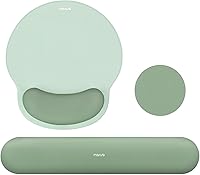
A wrist rest can support the heel of your hand while you pause, but it does not make every typing position comfortable. See best wireless ergonomic keyboard and best keyboard wrist rest options.
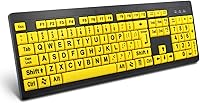
For simpler visibility, larger key labels may be easier to read. Compare best large print keyboard models if standard key legends are hard to see.
Is a keyboard with a USB hub useful?
A keyboard with a built-in USB hub can keep accessory ports close to your hands, but confirm the number and type of ports before buying. If you only need more ports at the computer, a separate hub can be easier to place.
See best wired keyboard with USB hub and best USB hub in keyboard for integrated options. For a standalone device, the SABRENT hub provides four USB 3.0 ports and individual power switches.
Should you buy a keyboard and mouse combo?
A keyboard and mouse combo can simplify buying two matching wired or wireless devices at once. It makes sense when you need both, but a separate keyboard gives you more freedom to choose a mouse suited to your hand and work.
For a single package, compare best keyboard and mouse combo options. If desk space is limited, look at best compact keyboard mouse combo; for shaped alternatives, compare best ergonomic keyboard and mouse combo.
Mouse choice affects the same desk setup. Explore best mice for gaming, best left handed mouse, or best wireless vertical mouse if your current pointer device does not suit your use.
Which keyboard suits a laptop, Mac, tablet, or TV?
Choose a keyboard that supports the device and operating system you plan to use. A keyboard that connects by USB may work with a laptop, but tablets and TVs can need Bluetooth, a receiver, or a specific operating system.
For a laptop, an external keyboard can help if you use the computer at a desk or want a different typing position. If you need help with built-in lighting, see HP laptop backlight instructions.
Compare best keyboards for laptops and check whether the model connects through a port your laptop has.
Mac users should confirm the key labels and operating system support. See best Bluetooth keyboard for Mac for models in that category.
A keyboard with a touchpad can be useful when a PC is connected to a television because it combines typing and pointer control. Our best Bluetooth keyboard with touchpad guide covers that format.
For tablets, check the tablet's operating system and connection support before choosing. Compare best Bluetooth keyboard for tablet options if you want a separate typing surface.
If you are still deciding whether an all-in-one computer fits your desk, read how an all-in-one computer works as part of the broader setup decision.
How should you choose a keyboard for gaming?
Choose a gaming keyboard around the controls and layout you use during play. A compact keyboard leaves more room for mouse movement, while a full-size model retains its number pad and extra keys.
Decide whether you want a wired or wireless connection, then check the keys, lighting, and software features that matter to your games. Do not assume that a gaming label alone means a keyboard fits your play style.
Our best keyboard for gaming guide compares gaming-focused options. If you also need a mouse, compare best mice for gaming.
What should you check before buying?
Check layout, connection, compatibility, and fit before deciding on extras. These four checks catch the most common mismatches between a keyboard and a computer setup.
- Layout: Confirm that you want a number pad, function row, and navigation keys.
- Connection: Check whether the keyboard uses USB, Bluetooth, or a wireless receiver.
- Compatibility: Match the supported operating system and device to your computer.
- Space: Measure the keyboard area and leave room for mouse movement.
- Features: Choose only the extras you will use, such as a touchpad, backlighting, or a USB hub.
If you plan to use a wireless mouse with the keyboard, check whether each device needs its own receiver or can share one. Our Logitech MX Master USB receiver guide covers a receiver question for that mouse family.
For pointer-device alternatives, browse best wireless mouse for computer, best wireless mouse for laptop, or best rechargeable wireless mouse. If you need a mouse that makes less clicking noise, see best silent mouse for computer.
Explore keyboards and mice by topic
- Best Wireless Mechanical Keyboards
- Best Logitech Wireless Keyboards
- Best Wireless Trackball Mice
- Best Mouse Jigglers
Which computer keyboard should you choose?
Choose a full-size wired keyboard if you want a familiar layout, a number pad, and a direct USB connection. Pick a wireless keyboard for more placement freedom, a compact layout to save desk width, or a touchpad model for a PC connected to a TV.
If you want a distinctive color, explore best wireless keyboard yellow. For a coordinated illuminated setup, see best backlit keyboard and mouse combo.
Match the layout and connection to your routine first. Then measure your desk and confirm compatibility before choosing extra features.
Frequently asked questions
What is the best computer keyboard for everyday use?
A full-size keyboard with a number pad is a practical choice if you type at a desk and enter numbers often. Choose wired USB for a direct connection, or wireless if you want fewer cables.
Check your operating system and desk space before you buy.
Are wired or wireless keyboards better for a computer?
Wired keyboards connect directly by USB and do not need keyboard batteries. Wireless keyboards give you more freedom to place them, but need a compatible receiver or Bluetooth connection and a power source.
Pick based on your ports, setup, and preference.
Do I need a full-size keyboard?
A full-size keyboard is useful if you regularly use the number pad, function row, and navigation keys. A compact layout frees desk space and can be easier to carry, but may combine or omit keys.
Compare the layout with the tasks you do most.
What should I check before buying a computer keyboard?
Check the layout, connection type, operating system compatibility, size, and any features you will use. A number pad helps with frequent data entry, a touchpad can replace a mouse in a media setup, and a USB hub can add ports.
Measure your desk if space is tight.
Can I use one keyboard with a desktop and laptop?
Many USB keyboards can connect to either a desktop or laptop if the device has a compatible USB port and operating system. Wireless models may use Bluetooth or a USB receiver.
For switching between devices, confirm that the keyboard supports your exact setup.